
Tips for a better headshot
What to Wear and How to Look Your Best in a Corporate Headshot
Getting your professional headshot taken can feel a little intimidating. What
should you wear? How should you stand? What do you do with your face?
The good news is that you don’t need to be a model - or even particularly
comfortable in front of a camera - to get a great corporate headshot.
A few simple choices before your session, combined with good direction from
your photographer, can make a big difference.
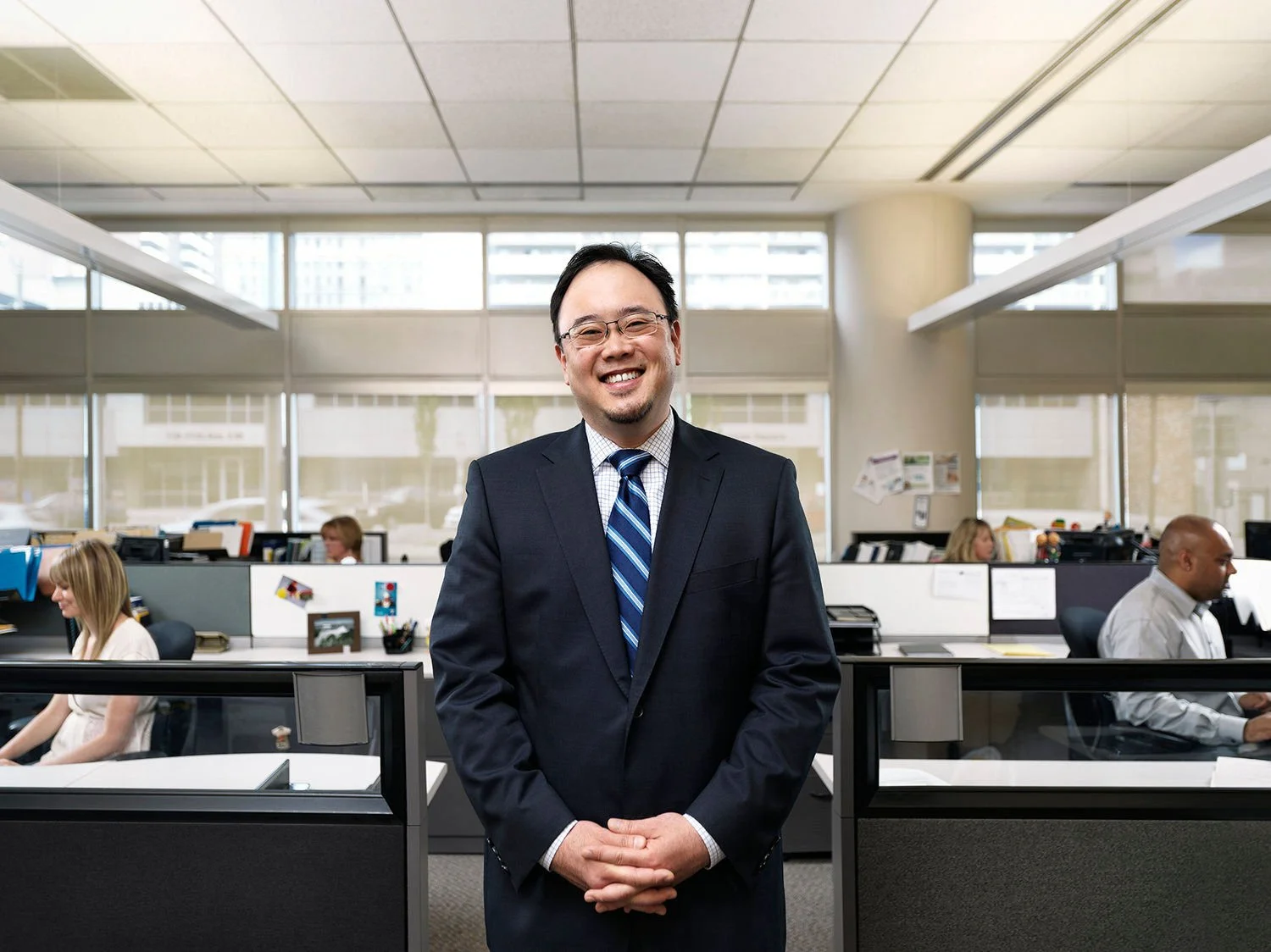
What Should You Wear?
The best corporate headshot wardrobe is usually simple, polished and
timeless.
You want the focus to be on your face, rather than on your clothing.
Choose Solid Colours
Solid colours tend to photograph beautifully and keep the attention where it
belongs: on you.
For a traditional corporate look, consider:
• Navy
• Charcoal
• Black
• Dark grey
• Soft blue
• Cream
• Burgundy or other understated tones
Suits, blazers, collared shirts, blouses and simple professional tops are all
excellent choices.
Avoid Busy Patterns
Stripes, very small patterns, loud prints and large logos can distract from your
face and may create visual distortion on camera.If you’re deciding between a bold patterned
shirt and a simple solid one, the
solid option is usually the safer choice.
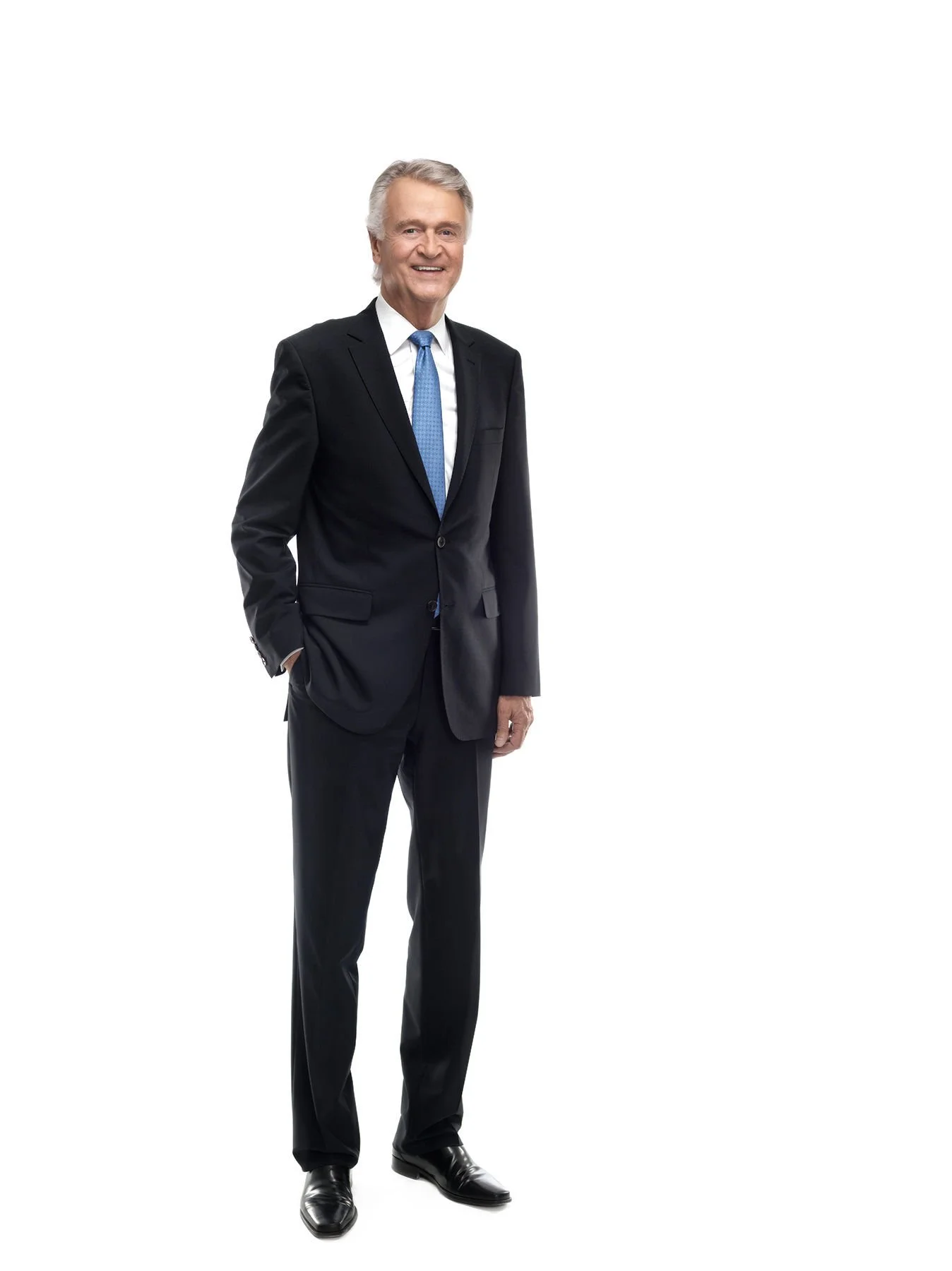
Choose Clothing That Fits Well
Your clothing should look tailored and comfortable - not too tight and not
swimming on you.
If you’re between sizes, it’s generally better to choose the slightly larger option.
A professional photographer can often make small adjustments to the fit using
clips or pins during the session.
Keep Accessories Simple
Jewellery, ties, scarves and other accessories can absolutely be part of your
professional look, but they shouldn’t overpower the photograph.
For men, a simple tie can work well if it fits your professional style. For women,
understated jewellery such as simple earrings or a delicate necklace can add
polish without becoming the focus.
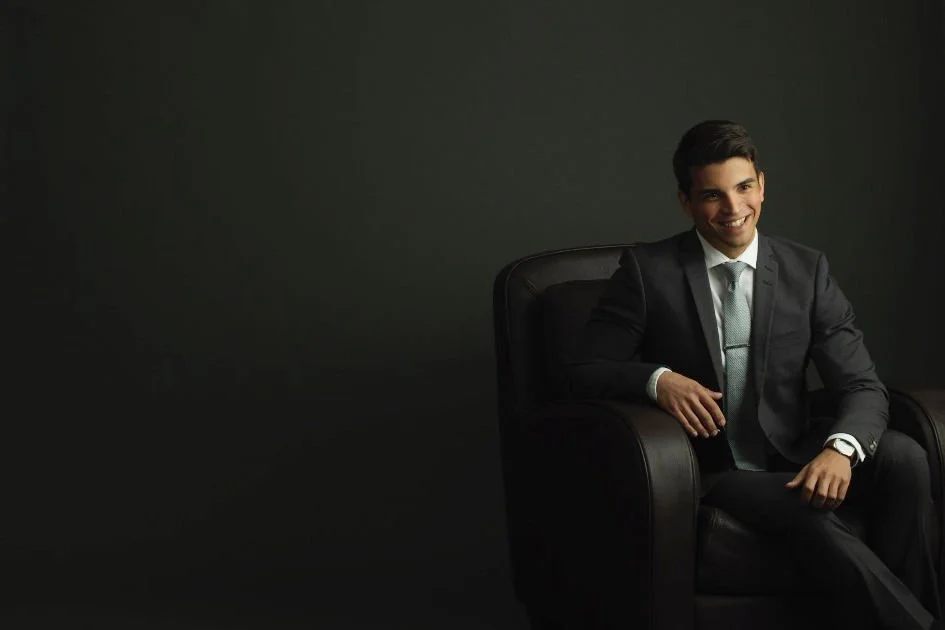
What About Hair, Makeup and Grooming?
Your headshot should look like you - just polished and camera-ready.
Hair should be neat and intentional, and facial hair should be freshly trimmed if
that’s part of your look.
For makeup, a natural, matte finish generally photographs well. Camera lighting
can emphasize shine, so a little powder or blotting paper can be useful for last-
minute touch-ups.
And don’t forget the small things: clean your glasses, bring a comb or brush,
and give yourself a few minutes before the session to check your appearance.
How Do You Avoid a Double Chin in a Headshot?
Here’s one of the most useful - and slightly counterintuitive - headshot tricks:
Move your chin forward, then slightly down.
Not up. Not dramatically down.Forward, then slightly down.
Think of a turtle gently extending its head out of its shell.
This subtle movement helps lengthen the neck and define the jawline, reducing
the appearance of fullness underneath the chin.
It may feel a little strange while you’re doing it.
That’s okay.
What feels slightly exaggerated to you often looks completely natural from the
camera’s perspective.
The important thing is to keep the movement subtle. You don’t want to stretch
your neck or jut your head dramatically toward the camera.
Your Posture Makes a Difference
Good posture can instantly make a headshot look more confident.
Whether you’re sitting or standing:
• Lengthen your spine
• Relax your shoulders
• Roll your shoulders gently back and down
• Avoid hunching
• Keep your neck long
• Take a breath and relax your jaw
Think tall and relaxed, rather than stiff and rigid.
Don’t Stand Completely Square to the Camera
Another simple trick is to turn your body slightly away from the camera - roughly
30–45 degrees - then bring your face back toward the lens.
This creates more dimension and generally looks more natural than standing
completely straight-on.
It also gives your photographer more shape and angles to work with.
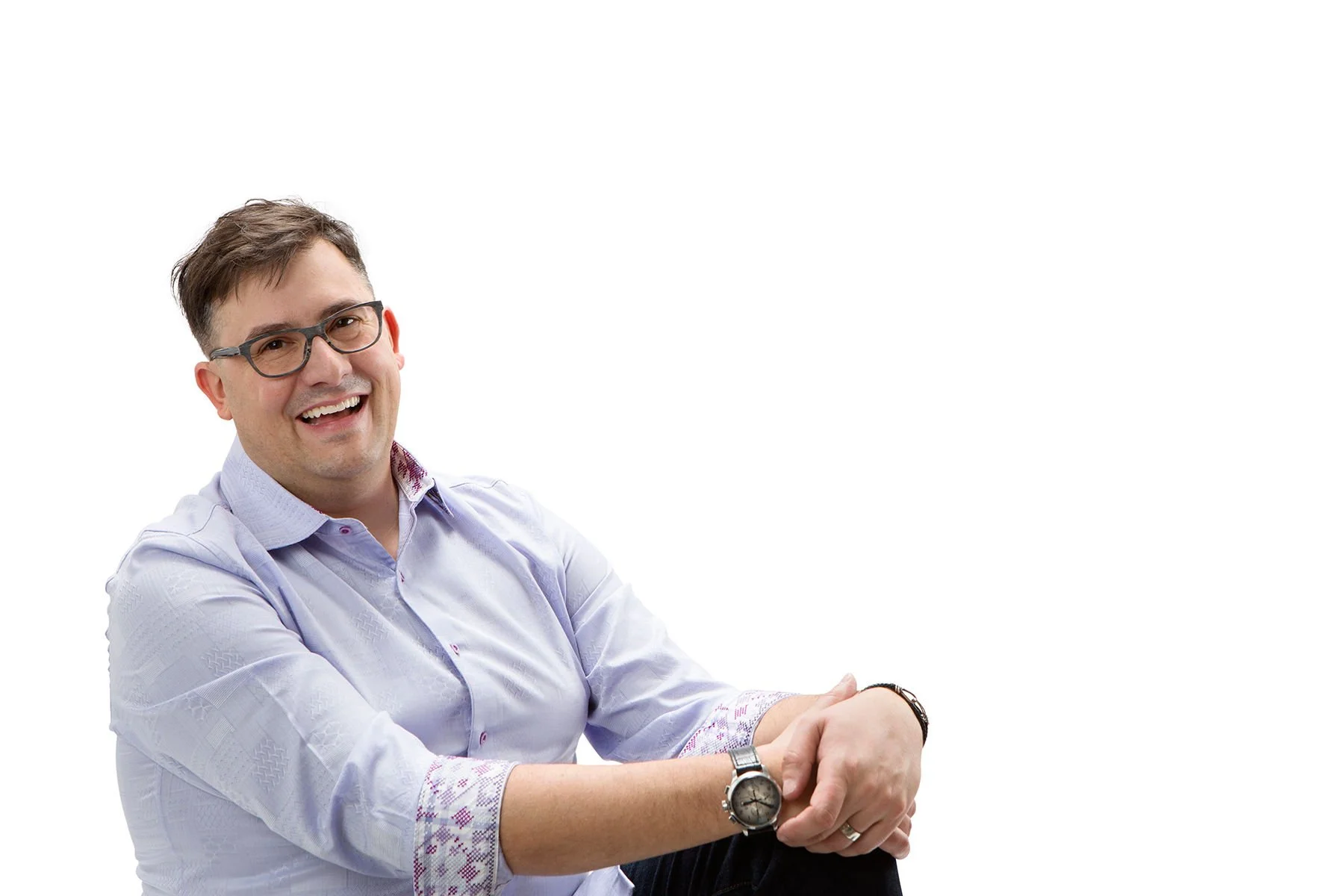
What Should You Do With Your Expression?
You don’t need to give your biggest smile.
In fact, for many corporate headshots, a small, relaxed smile works better than a
huge grin.
Think about the impression you want to make:
Confident. Approachable. Professional. Calm.Rather than thinking,
“I have to smile now,
” imagine that you’re looking at a
colleague or client you genuinely like.
Let your eyes engage naturally.
A relaxed expression will almost always look better than one that feels forced.
Right Before the Photo
Here’s a simple reset you can use just before the photographer takes the shot:
Take a slow breath in.
Exhale.
Drop your shoulders.
Lengthen your spine.
Bring your chin slightly forward and down.
Relax your jaw.
Give a small, natural smile.
And then look directly into the camera.
That’s it.
And Remember: You Don’t Have to Know How to PoseThis is one of the biggest
advantages of working with a professional
photographer.
You don’t need to walk into your session knowing exactly what to do.
A good photographer will guide you through your posture, body angle, chin
position and expression throughout the session. These adjustments are subtle,
and they should never make you feel like you’re performing.
The goal isn’t to make you look like a model.
It’s to create a photograph that looks like the best, most confident and
authentic version of you.

Your Headshot Should Look Like You.
Professional doesn’t mean perfect.
It means polished, confident and genuine.
With the right clothing, a few simple posing techniques and a photographer who
knows how to direct you, you can walk away with a headshot that feels professional without feeling artificial.